How to Manage Roadside Engine Overheating
Learn how to manage roadside engine overheating in a commercial diesel truck, protect the engine, and get qualified mobile help fast in San Antonio now.
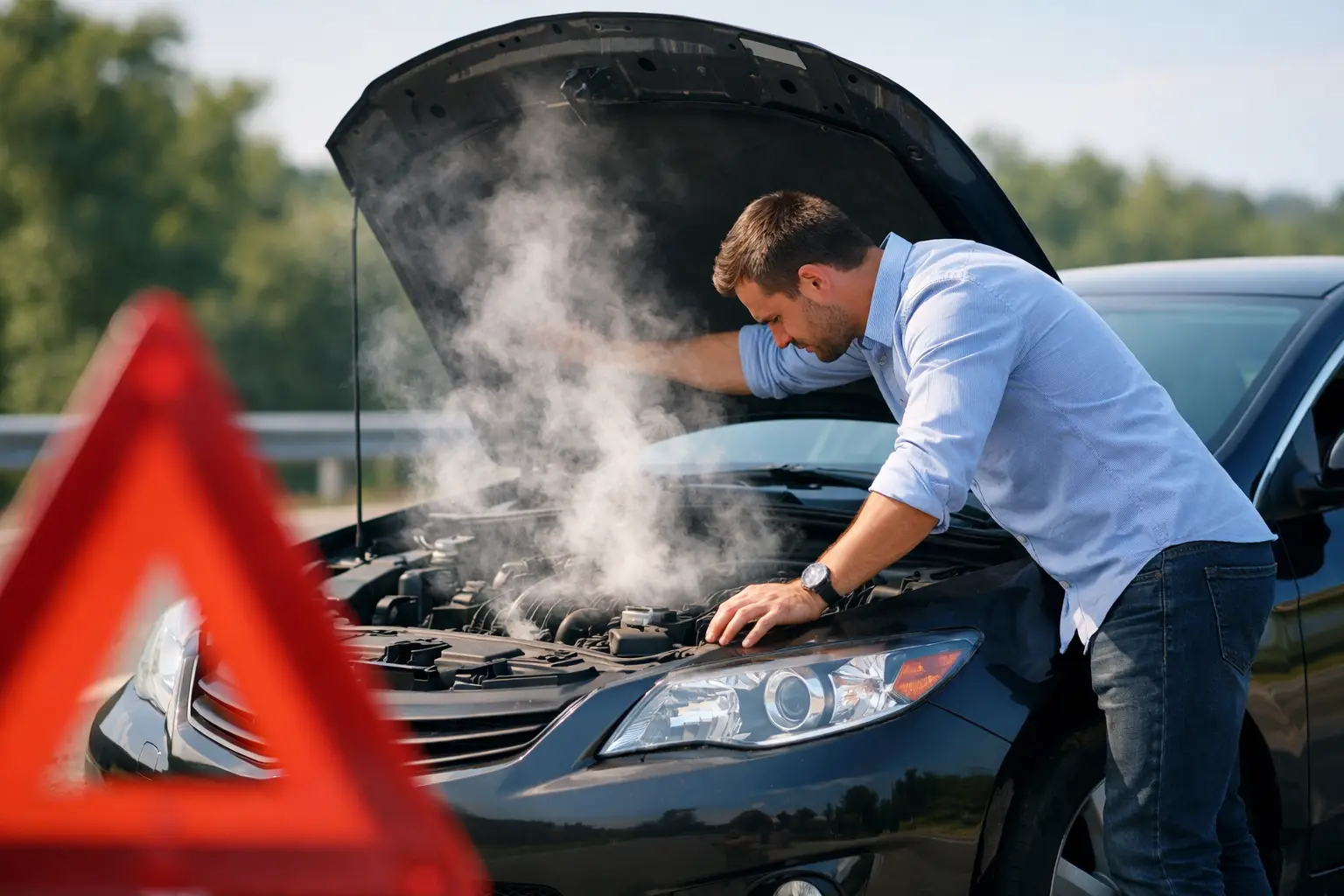
A temperature gauge climbing into the red on I-35 or I-10 is not a warning to push harder until the next exit. For a loaded commercial diesel truck, the right way to manage roadside engine overheating is to protect the engine immediately, get the vehicle into a safe position, and identify the cause before a minor cooling-system failure becomes major downtime.
Overheating can damage head gaskets, cylinder heads, hoses, sensors, emissions components, and more. It can also leave a driver stranded in a dangerous location with a load that still has to move. Fast action matters, but random action can make the situation worse.
When the Temperature Starts Rising, Reduce the Load
If the temperature is trending above normal but has not reached the red zone, reduce engine load right away. Turn off the air conditioning, ease out of the throttle, and avoid unnecessary acceleration. If conditions allow, downshift to keep engine speed in an efficient range rather than lugging the engine under heavy load.
Watch the gauge closely. A steady temperature that comes down after reducing load may point to high ambient heat, a steep grade, heavy gross weight, or restricted airflow that needs attention soon. A gauge that continues climbing indicates a cooling-system problem that needs immediate action.
Do not rely only on the dash gauge. Warning lamps, coolant-level messages, reduced-power conditions, steam, a sweet coolant odor, or a sudden loss of cab heat can all signal that the system is no longer controlling temperature correctly.
Manage Roadside Engine Overheating Safely
When the temperature enters the danger zone, find the safest available place to stop. Use four-way flashers, pull as far from traffic as conditions permit, and follow your company roadside-safety procedure. Do not continue driving simply because the truck is still moving. A diesel engine can suffer expensive damage quickly once coolant loss or heat buildup gets severe.
After stopping, place the transmission in neutral or park as appropriate, set the parking brakes, and assess the temperature. If the gauge is elevated but stable and there is no visible steam or coolant release, a brief idle period may help the engine shed heat. If the gauge is pegged, steam is coming from the engine bay, or a warning indicates critical overheating, shut the engine down.
There is no one rule for every truck. Idling can help in some controlled situations because it keeps coolant circulating, but it can also worsen an active coolant leak or a failed fan condition. Visible steam, a burst hose, a blown reservoir, or rapidly climbing temperature calls for shutdown, not extended idling.
Never Open a Hot Cooling System
Do not remove the radiator cap, surge-tank cap, or any pressurized coolant-system cap while the engine is hot. Hot coolant can remain under significant pressure and can cause serious burns.
Give the truck time to cool before any visual inspection. Keep your face and hands away from the cap area, and do not attempt a roadside refill until the system has cooled enough to be handled safely. Adding cold water to an overheated engine can also create thermal stress. If coolant must be added later, use the correct coolant type and follow the engine manufacturer’s requirements.
What a Driver Can Check From a Safe Position
Once the engine has cooled, a basic walk-around can provide useful information for a mobile diesel technician. The goal is not to perform a full roadside repair. It is to identify clear signs of failure and give accurate details during dispatch.
Look under the truck for coolant dripping or pooling. Check for wet hoses, loose clamps, residue around the radiator or charge-air-cooler area, a damaged coolant reservoir, or coolant sprayed across the engine compartment. A missing belt, shredded belt material, or abnormal fan condition can also explain rapid overheating.
Pay attention to what happened before the temperature rose. Did it occur while pulling a grade, sitting in traffic, running with the A/C on, or after a recent service? Did the cab heater stop producing heat? Did the truck show a low-coolant warning, check-engine light, derate, or fan-related fault? Those details help narrow the diagnosis before the technician arrives.
Avoid putting hands near belts, pulleys, fan blades, or electrical components. Do not crawl beneath a truck on the shoulder to chase a leak. Roadside conditions are unpredictable, and a visual check from a safe standing position is enough to start a professional diagnosis.
Common Causes of Diesel Truck Overheating
A roadside overheating event is usually a system problem, not just a low-coolant problem. The cooling system depends on proper coolant level, circulation, airflow, pressure control, fan operation, and accurate sensor input. A failure in any one of those areas can send temperatures up fast.
Coolant Leaks and Low Coolant
A split hose, loose clamp, leaking radiator, failed water pump, cracked reservoir, or damaged fitting can reduce coolant volume. Low coolant may cause intermittent overheating at first, especially under load, before becoming a full shutdown event. Repeatedly adding coolant without finding the leak only delays the failure.
Restricted Airflow Through the Cooling Stack
The radiator, charge-air cooler, condenser, and other heat exchangers need clean airflow. Dust, debris, insects, mud, and oil buildup can block the cooling stack, particularly on trucks working through hot Texas conditions. An externally dirty stack can look manageable from the front while restriction remains packed between components.
Fan, Belt, or Fan-Clutch Failure
A mechanical fan drive, fan clutch, fan-control circuit, belt, tensioner, or sensor issue can prevent the fan from pulling enough air through the cooling system. This often shows up during slow traffic, idle time, or high-A/C demand, when ram air is limited. A truck may run near normal at highway speed and overheat as soon as it slows down.
Thermostat, Water Pump, or Internal Flow Problems
A thermostat that does not open correctly, a weak water pump, an obstructed passage, or coolant contamination can reduce circulation. These problems may produce inconsistent temperature behavior, heater performance issues, or overheating that worsens under load. They require proper testing, not guesswork.
Sensor and Control Faults
Modern diesel trucks use electronic controls to monitor coolant temperature and command fan operation. A bad sensor, wiring issue, module fault, or stored engine code can create a false reading or keep the system from responding when it should. Shop-level diagnostics are often necessary to separate a true heat event from a control-system failure.
Why Continuing to Drive Is a Bad Bet
The pressure to protect a delivery schedule is real. But continuing with an overheated engine can turn a repairable cooling fault into engine damage and a far longer interruption. The risk is especially high when the truck is loaded, operating in high heat, or pulling grades around San Antonio and the surrounding corridors.
A truck that cools down after stopping is not automatically cleared to continue. If the source is a small leak, a fan that is not engaging, or a thermostat beginning to stick, the problem can return without warning. A temporary normal gauge reading is not a diagnosis.
Get Diesel Diagnostics to the Truck
Commercial diesel overheating requires more than a quick look at the coolant reservoir. A qualified mobile technician can inspect leaks, pressure-test the cooling system when appropriate, evaluate belts and fan operation, check fault codes and live data, and determine whether the truck can return to service safely.
TX Road Service provides 24/7 emergency roadside support and mobile diesel diagnostics for commercial trucks in San Antonio and along key freight corridors. When dispatching help, provide your exact location, truck make and engine, current temperature condition, warning lights or fault codes, visible leaks, and whether the engine has been shut down. Clear information helps the technician arrive prepared.
The best move after an overheating event is not to gamble on another few miles. Get the engine cooled, keep the cooling system sealed until it is safe to inspect, and bring in diesel roadside support before heat turns a manageable repair into a serious mechanical failure.