How to Spot DPF Problems Fast
Learn how to spot DPF problems fast with clear warning signs, common causes, and what truck drivers should do before a failed regen turns serious.
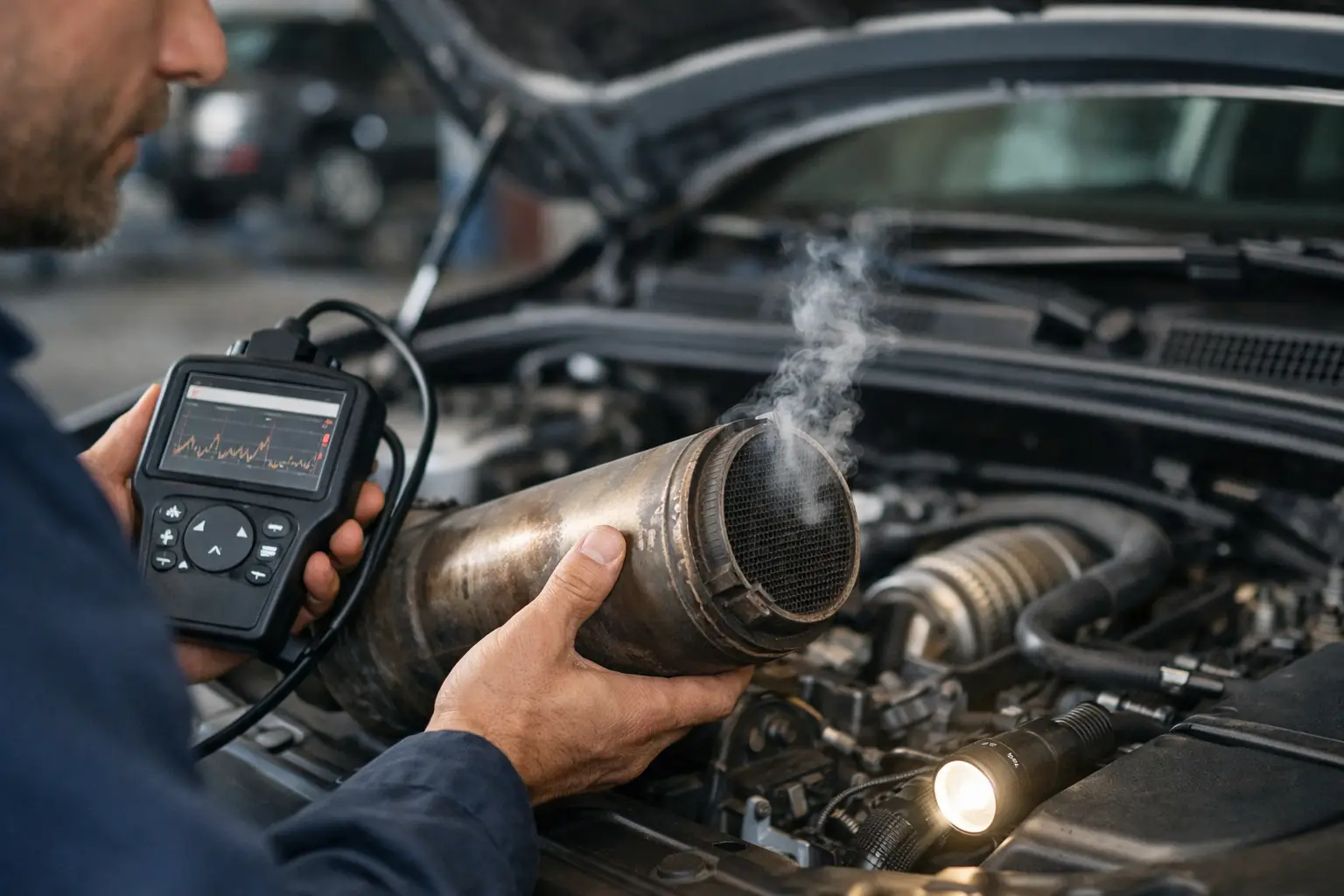
A truck that starts losing power halfway through a route usually gives you a warning before it quits on you. When the diesel particulate filter starts loading up, the signs are often there - more regens, less throttle response, rising exhaust temps, warning lights, and a truck that just does not feel right. If you need to know how to spot DPF problems before they turn into a roadside breakdown, you need to pay attention to what the truck is doing under load, not just what the dash light says.
For owner-operators and fleet managers, DPF issues are not just another maintenance line item. They can knock a truck out of service, delay a load, and create emissions-related faults that keep stacking up until the engine derates. The earlier you catch the pattern, the better your odds of fixing the root cause before the truck is forced into a parked regen or shuts your day down completely.
How to spot DPF problems before a forced derate
Most serious DPF failures do not start as a hard failure. They start as a system that is struggling to complete regen cycles or clear soot the way it should. That can look minor at first. The truck may still run, but it starts asking for active regens more often, fuel mileage can drop, and the engine may feel lazy pulling grades or accelerating from a stop.
A common mistake is assuming the DPF itself is always the only problem. Sometimes the filter is loaded because something upstream or downstream is off. A bad differential pressure sensor, a failed temp sensor, injector issues, excessive idling, an EGR problem, or wiring faults can all trigger DPF-related symptoms. That is why reading the symptoms correctly matters.
Frequent regens are an early red flag
One of the clearest warning signs is regen frequency. If the truck used to regen on a predictable interval and now it is happening much more often, that is worth taking seriously. A healthy system should not be trying to clean itself constantly under normal operating conditions.
If regens are getting closer together, the truck may be producing too much soot or failing to burn it off efficiently. That could mean the DPF is starting to plug, but it could also mean the engine is running dirty for another reason. Either way, frequent regens are a sign the emissions system is under stress.
Loss of power usually means the problem is progressing
When a DPF problem gets worse, the truck may start to feel restricted. Throttle response can dull out. Pulling power can drop. The truck may struggle more on inclines or under a heavy load. In some cases, the ECM will reduce power on purpose to protect the engine and emissions system.
This is where drivers get caught off guard. The truck may still move, but performance is no longer normal. If you keep running it while the soot load climbs, the next step may be a more aggressive derate that limits speed and makes the truck much harder to operate safely and efficiently.
Warning lights matter, but context matters more
A DPF light, check engine light, or regen-related message should never be ignored, but the light by itself does not tell the full story. What matters is when the light comes on, whether it clears, whether a parked regen completes, and whether the truck returns to normal afterward.
If the light keeps returning after regen, or if multiple emissions codes start appearing together, the issue is likely past the point of being just a one-time soot load event. A truck that will not complete regen, or completes it without improving performance, usually needs proper diagnostics rather than another attempt to clear it and hope for the best.
Common signs of DPF trouble on the road
Knowing how to spot DPF problems in real driving conditions means watching for patterns. The truck may show one symptom or several at the same time.
Excessive exhaust heat during regen, a strong hot smell around the exhaust, rough idle during active regen, reduced fuel economy, and repeated requests for parked regen can all point toward DPF system trouble. Some trucks will also show high exhaust backpressure readings or store soot load and ash load codes that indicate the filter is no longer flowing the way it should.
Another clue is when the truck spends too much time in stop-and-go service, idles for long periods, or runs short routes without enough sustained highway speed to complete passive or active regen properly. That operating pattern does not automatically mean the DPF is failing, but it does create the conditions for soot loading and incomplete regeneration.
Failed regens are a bigger issue than delayed regens
A delayed regen can happen for normal reasons. A failed regen is different. If the truck attempts regen and aborts it, or if the soot load remains high after the cycle, there is usually a mechanical or control issue behind it.
That issue might be sensor-related, fuel dosing-related, or tied to exhaust temperature not reaching target. It may also mean the DPF is already too restricted to recover with a standard regen. Once you are at that point, continuing to drive can turn a service call into a much bigger repair event.
Black smoke is not normal with DPF concerns
A truck with DPF issues may not always show visible smoke, because the emissions system is designed to trap particulate matter. But if you are seeing black smoke along with regen problems, warning lights, or loss of power, that is a strong signal the engine is producing more soot than the aftertreatment system can handle.
That can point to injector problems, turbo issues, EGR faults, or air-fuel imbalance. In other words, replacing or cleaning the DPF alone may not solve the real cause. The filter may be reacting to the problem, not creating it.
What causes DPF problems in the first place?
The short answer is heat, soot, ash, and operating conditions. The longer answer is that DPF systems fail for different reasons, and the right repair depends on which one you are dealing with.
Soot loading is often tied to idling, short runs, interrupted regens, or another engine issue that creates excessive particulate matter. Ash loading is different. Ash does not burn off during regen and builds up over time from normal oil and additive residue. At a certain point, the filter may need professional service because regen alone will not restore flow.
Then there are component failures. Pressure sensors can read wrong. Temperature sensors can fail. Wiring can get damaged. DEF-related issues on equipped systems can overlap with DPF faults and create misleading symptoms. On a working truck, guessing is expensive. Proper diagnostics saves time because it tells you whether you are dealing with a loaded filter, a bad sensor, a failed regen strategy, or an engine-side problem feeding the whole issue.
What drivers and fleet managers should do next
The smart move is to act early. If the truck is asking for more regens than normal, losing power, throwing DPF codes, or failing parked regen, do not keep pushing it until it derates harder. Catching it early can mean the difference between a repair that gets the truck back to work and a much longer interruption.
Start with the basics. Note the warning lights, fault messages, regen history, recent driving pattern, and whether the truck completed its last regen successfully. That information helps a technician narrow the fault faster. It also helps separate a one-off operating issue from a developing aftertreatment problem.
If the truck is already in derate, has repeat emissions faults, or will not complete regen, it needs a diagnostic approach, not trial and error. A mobile diesel technician with shop-level diagnostics can check pressure readings, sensor data, exhaust temps, and fault logic where the truck sits. That matters when you are on the shoulder, at a yard, or stuck between stops on the I-35 or I-10 corridor with a load waiting.
For operations around San Antonio, TX Road Service handles DPF and regen issues with the kind of roadside diagnostic support commercial diesel equipment actually needs. The goal is simple - identify whether the problem is the filter, the sensors, the regen system, or the engine condition causing the soot load in the first place.
The cost of waiting too long
DPF problems rarely fix themselves. They usually build from a warning sign into a restriction, then into a derate, then into a truck that cannot keep up with the job. The longer the problem is ignored, the more likely it is that other components get dragged into it.
That is the real reason learning how to spot DPF problems matters. You are not just watching for a light on the dash. You are watching for the moment your truck starts telling you the emissions system is no longer keeping up with real-world demand.
If the truck is regening too often, losing pull, or refusing to clear emissions faults, trust what it is telling you and get it checked before the next stop becomes an outage.