How to Pass DOT Scales Without Costly Delays
Learn how to pass DOT scales with legal weight checks, securement, brake inspections, logs, and roadside repair steps that keep commercial trucks moving.
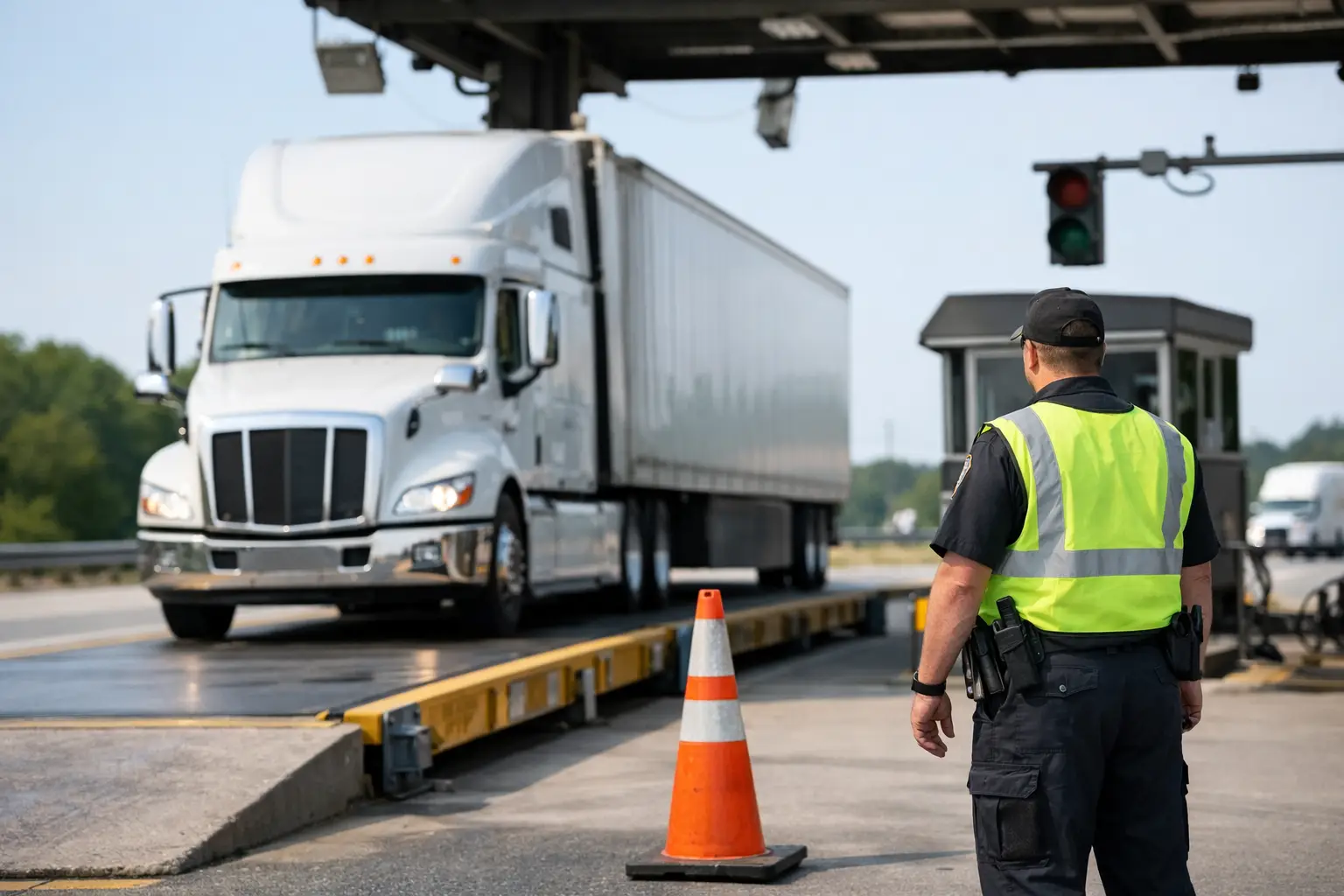
A red scale sign on I-35 can turn a normal run into a lost shift if your truck is overweight, your paperwork is incomplete, or a small mechanical problem becomes an inspection issue. Knowing how to pass DOT scales means running legal, organized, and ready for inspection before you reach the ramp - not hoping the green bypass light comes on.
For owner-operators and fleet drivers, the goal is simple: keep the truck safe, compliant, and moving. That requires more than watching the gross weight. A scale house inspection can expose brake defects, lighting problems, leaking air systems, insecure cargo, hours-of-service violations, emissions faults, and equipment that should have been repaired before dispatch.
How to Pass DOT Scales Before You Reach the Ramp
The best scale strategy starts at loading. Confirm the truck is within federal and state weight limits, then verify that each axle group is legal. A legal gross vehicle weight does not protect you from an overweight steer axle, drive axle, trailer tandem, or a poor weight distribution issue. Cargo that shifts during transit can change axle weights enough to create a problem at the next scale.
Know the numbers on your load paperwork, including gross weight and axle weights when available. If the load was scaled at the shipper, do not assume those readings still apply after fuel stops, cargo movement, or a trailer change. Fuel adds weight, and several hundred gallons can materially affect your steer and drive axle readings.
When your route includes busy inspection points along the San Antonio area interstates, build enough time into the schedule to handle a scale stop correctly. Rushing into a scale lane, ignoring instructions, or trying to fix paperwork on the shoulder creates more risk than the few minutes saved.
As you approach the facility, read every posted sign and follow the lane assignment. Reduce speed, maintain a safe following distance, and keep your radio on if the facility uses a designated channel. Stop only where directed. If you receive a pull-in instruction, acknowledge it and proceed calmly to the inspection area.
Weight Is Only the First Check
A scale reading may be the end of the stop, or it may be the start of an inspection. That decision can be random, based on visible defects, triggered by an enforcement focus, or influenced by the condition of the vehicle. Drivers should operate as though every scale stop could lead to a Level I inspection.
Start with cargo securement. Inspect straps, chains, binders, tarps, edge protection, anchor points, and trailer doors before departure and again after the first part of the trip. Securement rules depend on the cargo, so the right setup for pallets is not the same as the right setup for steel, machinery, pipe, or equipment. The working load limit of your tiedowns, the number of tiedowns, and protection from abrasion all matter.
Then look at the truck as an inspector would. A low tire, damaged wheel, loose mudflap, broken lamp, air leak, fluid leak, hanging wire, cracked windshield in the driver’s view, or missing reflector can bring attention to a truck that would otherwise pass through quickly. Small defects are often easy to correct before dispatch. They are much harder to deal with after an out-of-service order.
Run a Real Pre-Trip, Not a Quick Walkaround
A pre-trip inspection is your first defense at DOT scales. It should be deliberate enough to find defects, not just fast enough to satisfy a routine. Check the condition and operation of the service brakes, parking brakes, brake lights, turn signals, headlights, marker lamps, and four-way flashers.
Pay close attention to the air brake system. Watch air pressure build, listen for leaks, verify the warning devices work, and make sure the parking brakes hold. During the walkaround, check brake hoses and chambers for damage or air leaks. Look for loose components, missing hardware, contaminated brake parts, and visible problems at the wheel ends.
Inspect tires for proper inflation, cuts, bulges, exposed cords, uneven wear, and adequate tread depth. Check that lug nuts are present and that there are no obvious signs of movement around the wheel. Look under the truck and trailer for fresh oil, coolant, fuel, power steering fluid, or air system leaks.
Do not overlook the coupling system. The fifth wheel, locking jaws, release handle, mounting hardware, safety chains where applicable, electrical connection, air lines, and trailer height all need to be right. A secure-looking trailer is not enough. The coupling must be correctly locked and supported.
Keep Logs and Documents Inspection-Ready
If you are pulled into an inspection bay, having your documents organized sets the tone. Keep your driver’s license, medical certification information, registration, proof of insurance, permits, shipping papers, and electronic logging device records accessible. You should not have to search through a sleeper berth, glove box, or phone folders while an officer waits.
Hours-of-service issues remain a major source of violations. Your ELD status must match the work you actually performed, and personal conveyance cannot be used as a workaround for driving time that should be logged on duty. Make sure you can transfer records when required and that your annotations clearly explain unusual movements, delays, or duty-status changes.
Review your last several days of logs before beginning a trip, especially after a breakdown, load delay, yard move, or split sleeper period. A mechanical problem can disrupt a schedule, but it does not erase hours-of-service requirements. Dispatch decisions should account for both repair time and available driving hours.
For hazardous materials or specialized loads, the paperwork and placarding requirements are more demanding. Verify that shipping descriptions, emergency response information, placards, and any required endorsements match the freight. If you are unsure, resolve it before rolling. Guessing at a scale house is not a plan.
Address Warning Lights and Regen Problems Early
A warning light can be the difference between a routine scale crossing and a truck held for repair. Engine, ABS, brake, and emissions-related warnings deserve attention before they become drivability or compliance problems.
DPF and aftertreatment faults are especially disruptive on modern diesel equipment. A truck that has ignored regen requests, is showing a derate warning, or has a persistent check-engine light may be close to reduced power. Forced regeneration is not automatically the answer. The underlying fault needs shop-level diagnostics, whether it involves a sensor, exhaust temperature issue, DEF system problem, soot load, wiring fault, or another emissions component.
ABS indicators also matter. An ABS lamp may not always result in an out-of-service condition by itself, but it signals a defect that should be diagnosed. Do not treat it as a dashboard decoration. The same goes for low-air warnings, brake warnings, and repeated fault codes.
If a problem appears on the road, stop in a safe location and assess it before continuing toward an inspection point. A mobile diesel technician can diagnose many air, electrical, brake, cooling, DPF, and drivability issues where the truck is parked. That can prevent a minor defect from turning into a missed delivery and a compliance event.
What to Do If You Are Directed Into Inspection
Professional behavior matters. Follow instructions, stay calm, and provide only the documents and access requested. Do not argue roadside or try to explain away a visible defect. If the officer identifies a violation, understand exactly what needs to be corrected and whether the vehicle is placed out of service.
If you receive an out-of-service order, do not move the truck until the required repairs are complete and the order is properly addressed. Continuing to operate can create larger penalties and place the driver, carrier, and public at risk. Document the defect, communicate with dispatch, and get qualified repair support involved quickly.
A clean inspection record is built before the scale, through disciplined loading, accurate logs, regular maintenance, and a driver who catches defects early. When mechanical trouble threatens to hold a commercial truck at a scale or roadside location around San Antonio, TX Road Service provides 24/7 mobile diesel repair and diagnostics to help get the equipment back into safe operating condition.